Mike Collins and Derek Dooley were the top two finishers in Georgia's Republican Senate primary, but the contest that followed stopped looking like a fight between two candidates and started looking like a test of two political currencies. One came from Donald Trump's endorsement of Collins. The other came from Brian Kemp's backing of Dooley, a candidate who is also a lifelong friend of the governor. Georgia Republicans are not choosing between an insurgent and an establishment figure. They are choosing which form of influence still carries more weight.
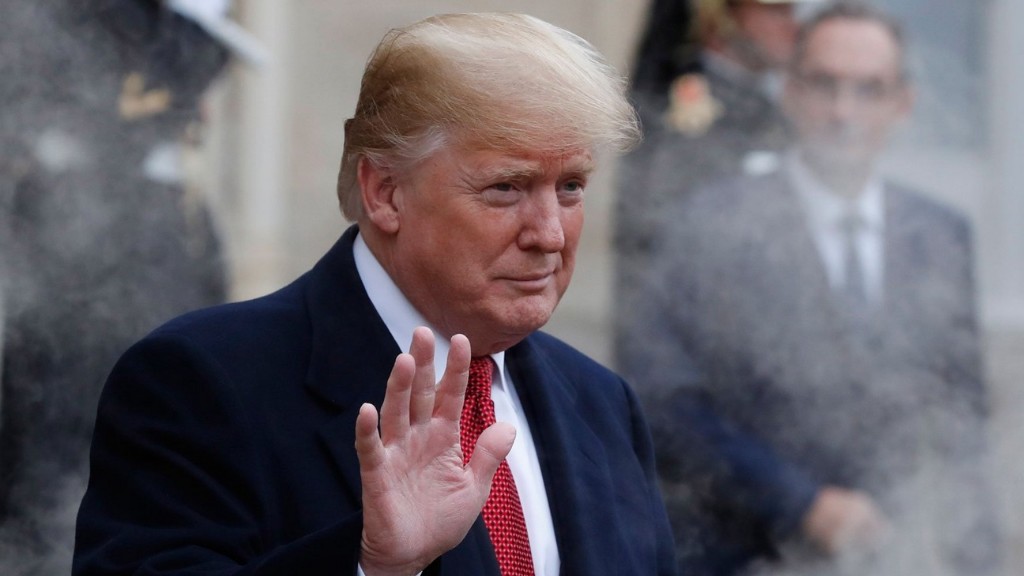
Collins greeted Trump's intervention with relief and confidence. "It's an honor to have that endorsement," he said. Hours after receiving it, Collins told Fox News Digital that Trump had confidence in his campaign and declared, "we're in the lead in this thing." When asked whether the endorsement came too late, Collins dismissed the question outright: "I don't think President Trump ever is too late." He went further, arguing that Trump has "this impeccable ability of putting his thumb right on the scale at the right time."
Dooley did not dispute Trump's influence. He simply refused to grant it supremacy. On the eve of the runoff he said the president's endorsement of Collins "doesn't change how I feel." Instead, Dooley emphasized a different alliance. "I'm honored to have Governor Kemp's endorsement." He added, "the most important endorsement that I'm fighting for is the people of Georgia." The line sounded obligatory. The campaign around him did not. Kemp and Marty Kemp have regularly appeared with Dooley on the campaign trail, and the governor's top political adviser is a senior consultant to Dooley's Senate bid.
Influence inside the party collides with the broader electoral map
That split inside the party extends beyond the Senate race. The power of a Trump endorsement is facing a key test in Georgia's gubernatorial runoff as well. Trump backed Burt Jones in the race to succeed Kemp, but Jones is battling billionaire businessman Rick Jackson, who has spent more than $100 million of his own money on the campaign. Georgia's Republican runoffs have become a series of experiments conducted at full scale: celebrity against organization, money against loyalty, endorsement against endurance.
Yet the Republican argument over influence is unfolding while the Democratic nominee waits. The winner of the GOP Senate nomination will face Democratic Sen. Jon Ossoff, whom Republicans view as the most vulnerable Senate Democrat seeking re-election. That vulnerability has not stopped Ossoff from preparing. He has built a powerful war chest that will give him a major fundraising advantage as the general election begins.
The money is not an isolated advantage. Ossoff raised more than $14 million in the first quarter, part of a broader Democratic surge in Senate fundraising. James Talarico raised $27 million in Texas. Roy Cooper raised $13.8 million in North Carolina. Mary Peltola brought in $8.9 million in Alaska, while Sherrod Brown raised $12.5 million in Ohio. Several of those hauls set state records and underscored Democratic confidence about flipping the Senate. Georgia is not isolated from that trend. It sits directly inside it.
The nomination battle risks obscuring the election that follows
The electorate may already be sending signals that neither Republican faction wants to hear. Preliminary results showed higher Democratic turnout than Republican turnout, a rare occurrence last seen in Georgia during the 2020 blue wave. At the same time, Trump-backed candidates advanced, reinforcing the argument that Trump's influence endures. Both claims can be true at once. Trump may still dominate Republican politics even as the electorate Republicans need in November becomes harder to reach.
That tension already appears in the numbers. Georgia's Senate seat is a top GOP target in November, and Ossoff is widely considered the most vulnerable Senate Democrat in the midterms. Yet the most recent general election poll showed Ossoff leading Collins 51% to 44%. Republicans have spent the past year proving who can command their party. Ossoff has spent the same period building money, time and distance. The uncomfortable fact for Georgia Republicans is that their fiercest contest is no longer over ideology or endorsements. It is over whether a nomination fight that measures influence inside the party has obscured the candidate who has been preparing all along for the election that comes after it.