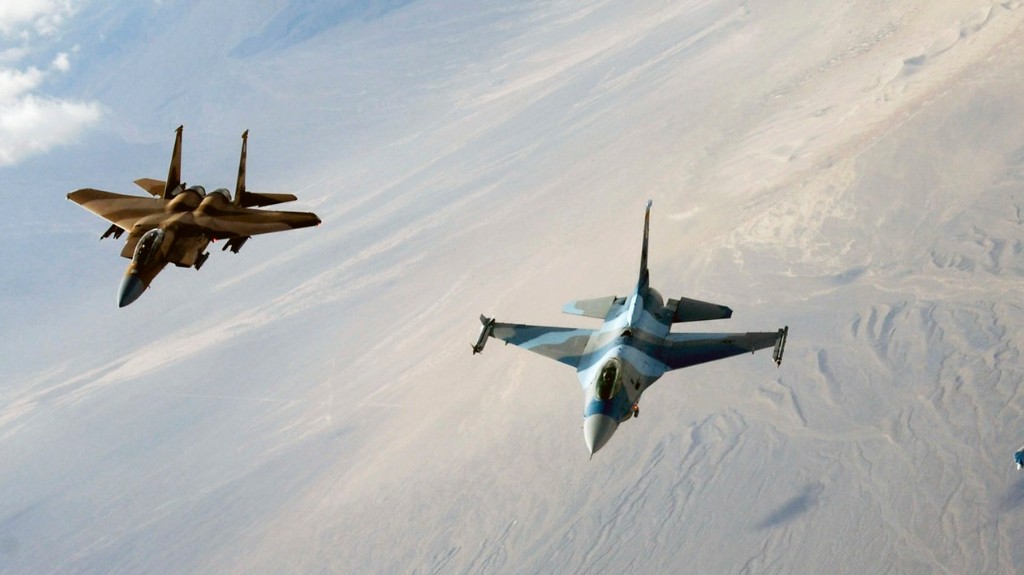
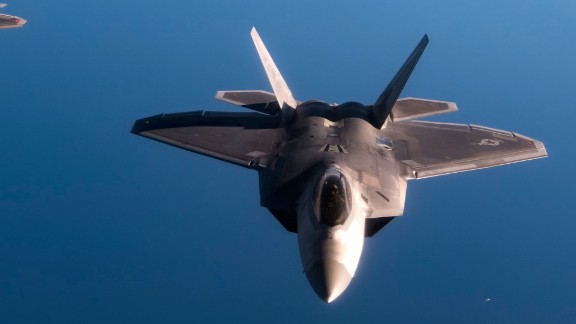
The US intends to decrease the number of F-16 and F-15E fighter jets allocated to NATO from about 150 to 100. At the same time, maritime surveillance aircraft are set to fall from 26 to 15, and eight aerial refuelling aircraft are expected to be withdrawn completely. NATO officials did not dispute the direction of travel. Instead, they said the alliance is aware of some planned US reductions and argued that the pullback would strengthen the alliance over the long term.
That response is striking because the reductions reach directly into the assets that make NATO's airpower function at range. One of two bomber task force groups assigned to European defence is to be redeployed elsewhere. A missile-capable submarine and an aircraft carrier would also be stationed outside the European theatre. The immediate consequence is not abstract. The expected cuts would affect NATO's reconnaissance and long-range strike capacity.
Dependence is being recast as a long-term strategic liability
NATO's public argument is that dependence itself has become the problem. NATO spokesperson Allison Hart told Anadolu that the change strengthens NATO's defence plans by reducing over-dependence on one ally. She said the shift strengthens defence plans, while adding that it is about putting NATO on a more sustainable footing for the decades to come. Sustainability, in this telling, comes from distributing responsibility more broadly across the alliance.
The numbers show why that argument carries political weight. NATO allies in Europe and Canada invested a total of $574 billion in defence in 2025, a 20% real-terms increase from 2024. All allies reported meeting the 2% of GDP spending target, and three said they had already reached the new 3.5% objective set for 2035. Mark Rutte highlighted a one-fifth real-terms increase in defence spending in Europe and Canada, while annual defence expenditure in NATO Europe and Canada has more than doubled since 2014, rising 106% in real terms.
Yet the same figures expose the condition NATO is trying to manage. US defence spending stood at $838 billion in 2025. Even after a slight decline, it still accounted for well over half of NATO's total expenditure. European governments have increased spending rapidly, but the capabilities being withdrawn are largely American ones. Money and military capacity are not interchangeable on the timetable NATO now faces.
Rising budgets do not immediately replace operational capability
That timetable appears throughout the alliance's own language. Further US disengagement has forced NATO to weigh alternative plans for Europe's defence in the event of a Russian attack. At the same time, Washington's erratic plans are making it harder for European member states to identify priorities. The alliance is attempting to redesign its force structure while uncertainty persists about the scale and pace of the American drawdown.
The operational problem is not simply spending more. A study evaluating NATO capability gaps focuses on the operational problems NATO airpower must solve under existing structural constraints. Four operational problems define the core demands on NATO airpower. If NATO can solve them, it can generate the effects required for deterrence and defence, including protecting infrastructure, striking key targets and establishing localized air superiority. Those are capabilities, not budget lines.
That distinction explains the urgency in the remarks of US General Alex Grynkewich. He said NATO must focus on systems it can acquire quickly, field quickly, scale rapidly and sustain over time, specifically including long-range fires and drones. Those capabilities can help mitigate near-term risk. The phrase "near-term" matters. It acknowledges a gap between the force NATO wants and the force it can deploy now.
The alliance is redesigning itself before replacements are fully ready
The alliance's eastern flank remains in place. NATO maintains significant deployments there to deter Russia following the invasion of Ukraine. But deterrence depends on more than troop numbers. NATO must detect, identify, attribute, track and, when necessary, engage intrusions ranging from small uncrewed systems to crewed aircraft across all altitudes. Attribution is essential because ambiguous activity requires evidence sufficient for political decision-making. Surveillance aircraft, refuelling platforms and strike assets sit at the centre of that mission.
The uncomfortable fact hiding inside NATO's success story is that the alliance is celebrating a surge in European spending while simultaneously preparing for the loss of American capabilities that spending has not yet replaced. Trump's criticism appears to have pushed members toward higher defence expenditure. Every ally achieved the 2% target last year. But the capabilities being cut affect reconnaissance and long-range strike capacity, and their reduction has already forced NATO to reconsider how it would defend Europe in a crisis. The alliance may be becoming less dependent on Washington by design; what has not yet changed is that Washington still provides the capabilities NATO is redesigning itself to live without.