Promises of reconstruction collide with the absence of anyone willing to pay
The Tehran-Washington Memorandum of Understanding has exposed deep divisions across Iran’s media landscape before it has been formally signed. Iranian newspapers and digital outlets split sharply over the emerging US-Iran memorandum, with hardliners denouncing it as surrender and pro-diplomacy outlets arguing it offers a path out of war and economic pressure. The argument is not about language. It is about what Iran receives, what it gives up, and who gets to define victory after war.
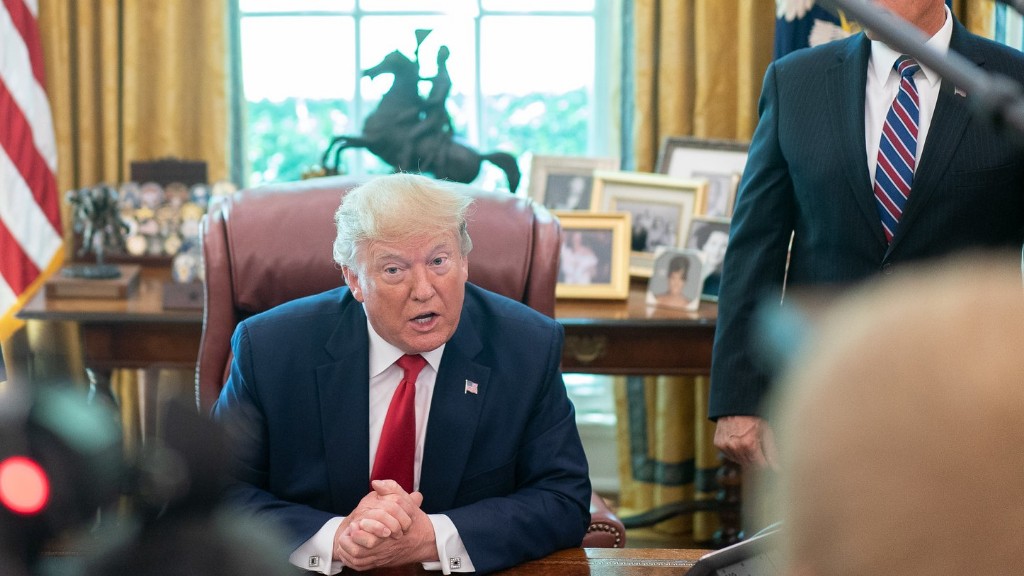
The scale of what is under discussion is unusually concrete. The tentative agreement would provide Iran with at least $300 billion to rebuild after the intense U.S. and Israeli-led bombing campaign. Yet the country most associated with the military campaign is publicly distancing itself from the reconstruction bill. Trump insists the United States will not participate financially. “We’re not putting up ten cents,” Trump said while meeting with Egypt's president. He went further: “We are not investing in it, and we do not have a fund.” The message is not ambiguous. Washington may support an agreement, but it does not intend to underwrite the peace that follows.
That position shifts the burden elsewhere without naming who carries it. Trump said he’s not asking Gulf countries to contribute. He said other countries are free to do so if they choose. The distinction matters. A reconstruction package measured in hundreds of billions of dollars exists on paper, while the United States rules itself out and declines to organize alternative financing. The agreement promises resources. The politics surrounding it promise nothing of the sort.
Domestic arguments grow sharper as certainty over funding disappears
Iran's domestic debate reflects that gap between promise and certainty. Hardliners warn of retreat. Kayhan wrote: “Surrendering to the Great Satan under the guise of an ‘antidote’ or regional de-escalation is a betrayal of our long-standing resistance.” Pro-diplomacy outlets answer differently. Editorials and opinion columns published after the announcement ranged from warnings of capitulation to claims that diplomacy had been made possible by Iran’s military deterrence and could offer the country a path out of war and economic pressure. The same document is being sold simultaneously as compromise and triumph because neither side can yet point to what matters most: money arriving.
Questions of dependence extend far beyond the Middle East
Markets have already begun to place their bets elsewhere. Market leadership has already re-concentrated into semiconductors, AI infrastructure and energy-related capital expenditure after the run-up to the Iran conflict, while defence has been a surprise laggard. Investors argue that the volatility gave opportunities to add exposure to high-conviction themes where earnings visibility remains strongest. Visibility is the crucial word. Capital flows toward sectors where revenues can be seen and measured. Iran's reconstruction promise remains a headline attached to an unsigned financing plan.
The memorandum's hardest problem is therefore not diplomacy. Diplomacy produced a document. At least $300 billion for reconstruction exists as a commitment on leaked pages, while “We’re not putting up ten cents” stands as the clearest public statement from the country whose president helped shape the conditions that made reconstruction necessary. Until those two facts cease to contradict one another, Iran is not arguing about peace. It is arguing about whether peace without money is something different altogether.