The United States and Iran have given themselves 60 days to reach a final deal. Yet the agreement that opened that window defers many of the most difficult issues, including how Iran's nuclear programme will be wound down. The negotiations beginning in Switzerland are not taking place after the crisis. They are taking place inside it, with shipping routes contested, ceasefires disputed and the central bargain still largely unwritten.
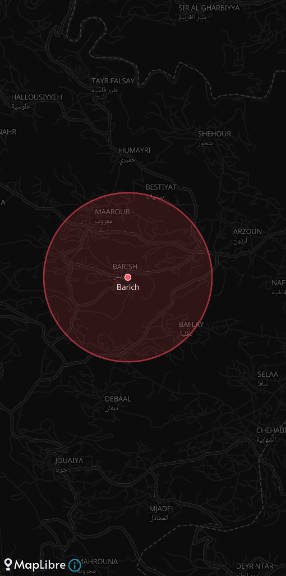
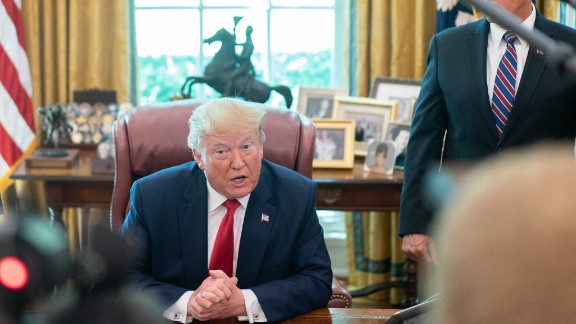
JD Vance arrived at Emmen Air Base in Switzerland at 5:59 a.m. carrying more than diplomatic optimism. Before departing, he told reporters: "I think we're going to hopefully make progress on the nuclear issue, make progress on the Lebanon ceasefire issue," and said a "couple days of talks" were likely. The confidence sits beside a harder fact: a halt to fighting in Lebanon was one of the conditions for starting U.S.-Iranian talks, yet Israeli forces and Hezbollah attacked each other on Saturday, and Lebanese civil defence officials said Israeli strikes killed 20 people only hours after a truce took effect.
The ceasefire is therefore doing two jobs at once. It is supposed to stop fighting, and it is supposed to hold together a diplomatic process whose architecture remains provisional. Iran's scepticism is explicit. Mohammad Mokhber accused the U.S. of failing to implement the first of the Iran deal's 14 points, which include a ceasefire "on all fronts". Iranian Foreign Ministry spokesperson Esmaeil Baghaei said Iran would press for fulfilment of commitments, citing earlier agreements that, in Tehran's view, the other side failed to honour.
That distrust extends far beyond Lebanon. The United States read out the text of the interim U.S.-Iran agreement to halt the war in Iran and open the Strait of Hormuz. The document, titled the Islamabad Memorandum of Understanding, outlines in 14 points a high-level understanding and paves the way for a broader 60-day negotiation period. But the agreement exists alongside a waterway where competing realities coexist uneasily.
Diplomacy advances while the facts on the ground refuse to settle
U.S. Central Command said 55 merchant ships transited the strait on Saturday, carrying more than 17 million barrels of oil bound for global markets, and vowed that U.S. forces would ensure commercial traffic continued. Vance said he had seen no evidence of a closed Strait of Hormuz. Yet another account describes a far harsher landscape: insurance is unavailable or prohibitively expensive for vessels transiting the strait, seafarers are unwilling to make the journey, and the strait is effectively closed. Ship traffic is at a near-standstill except for a small number of vessels that have paid a "toll" to the Islamic Revolutionary Guard Corps in exchange for safe passage.
The economic consequences are already visible. Conflict-related disruption in the Strait of Hormuz triggered the largest oil market shock in history. Global oil supply crashed by 10.1 million barrels a day in March as attacks on energy infrastructure and restrictions on tanker traffic spread through the region. Oil prices surged sharply after the outbreak of conflict and the near-total disruption of shipping through the strait, while Brent rose about 65%, or $46 a barrel, by the end of March, recording its largest monthly rise ever.
Prices have eased since. They fell somewhat after the announcement of a temporary ceasefire, and their movement now reflects uncertainty about negotiations between Iran and the United States to restore regional oil flows. Even Monday's rebound owed less to geopolitics than to supply management: OPEC+ announced a more modest monthly increase in production than expected, pushing Brent crude futures up 1% to $65.16 a barrel. Independent analyst Tina Teng said the price jump was primarily boosted by OPEC+'s lower-than-expected production hike, though crude prices would likely remain weak because of the gloomy global economic outlook.
Markets are pricing resilience while politics keeps testing it
Financial markets appear to be drawing their own distinctions about risk. Credit spreads for many Middle Eastern nations reacted more severely to the Twelve-Day War between Israel and Iran in June 2025 than they have to the current military action. Israel's CDS spreads rose more than 27% during the June 2025 strikes against Iran's nuclear programme but only 15% between February 16 and March 16 this year. It appears CDS markets are taking issuer oil reserves and production into account when gauging potential for credit deterioration in a prolonged war.
That assumption carries its own danger. The markets are treating the present conflict as more manageable than the last even as diplomats negotiate an agreement that defers the hardest questions, Iran insists prior commitments remain unmet, and the ceasefire underpinning the talks continues to break down in public view. The pressure point is no longer whether Washington and Tehran can draft another framework. It is whether a region that has already suffered the largest oil market disruption in history can sustain confidence in an agreement whose most consequential provisions still exist only on paper.