The split of value signals a deeper challenge to market structure
The number that matters sits in the middle of the deal: 52%.
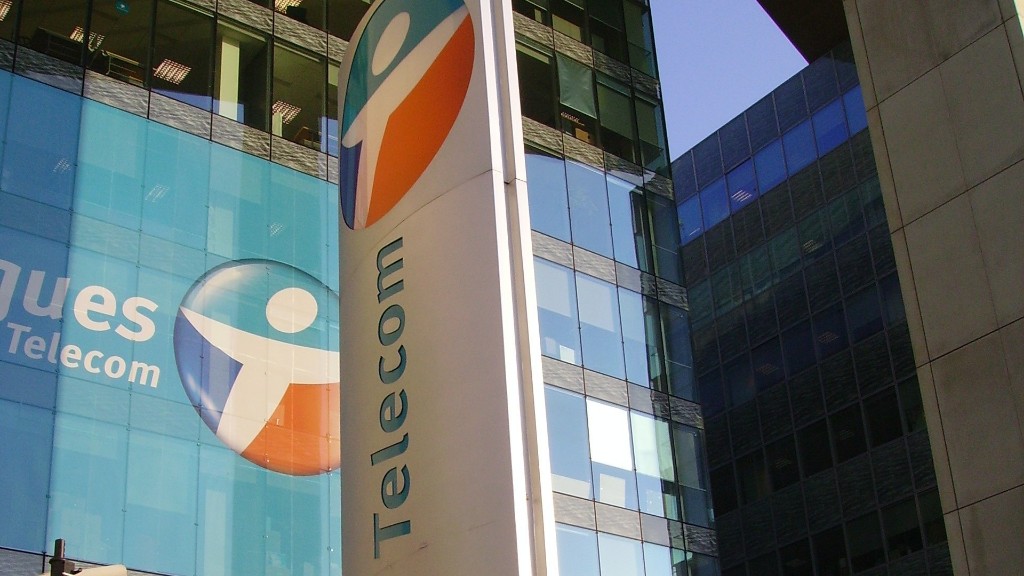
That is the share of carved-out revenue Bouygues would take if the breakup of SFR proceeds, leaving Iliad with 27% and Orange with 21%. Three buyers dividing one network is not unusual. The proportions are. They redraw the market before regulators have agreed the market can be redrawn at all.
The buyers have already agreed the price. €20.35 billion ($23.45 billion), including debt would make this one of the biggest European telecoms deals in recent years. That figure carries an assumption: that the structure underpinning it — three operators where there are now four — survives the review process intact.
A fragmented review process reflects the uncertainty at the core of the deal
That review begins within days and could last for more than a year. Each bidder must file separately. Orange and Bouygues will go to Paris, where they generate more than two-thirds of their EU-wide turnover, which exempts them from mandatory notification to the European Commission. Iliad does not meet that threshold and will file in Brussels. The deal is already split before the assets are.
What follows is a negotiation over who gets to decide. Both regulators will then agree who will lead the merger review, Orange’s chief executive said, adding that clarity on final oversight will come “in a matter of weeks”. Until that choice is made, the transaction sits between jurisdictions, each with its own history of blocking telecom consolidation.
The companies want one voice. “What’s important for us is to have one authority in the driving seat,” Christel Heydemann told analysts, arguing that it would make sure the process is efficient. Efficiency is not the regulator’s objective. Structure is. And the structure in question has been stable for years.
The push for consolidation collides with a long-held regulatory doctrine
Breaking up SFR would reduce the number of mobile network operators in France to three from four. That crosses a line Brussels has defended repeatedly: four operators per country as the minimum for competition. The bidders are not avoiding that line. They are testing whether it still holds.
They have an argument ready. Heydemann points to Britain, where the Vodafone–Three merger convinced regulators, and says: “We conceived this transaction… as a true consolidation from four to three operators,” with efficiency gains reflected in the synergy figures. Orange puts a number on those gains: more than €500 million in annual cost synergies. The deal is framed as replication, not exception.
That framing arrives as the ground shifts. EU authorities have historically imposed tough remedies and blocked telecoms deals to protect competition. But a push inside the bloc now urges regulators to help businesses gain scale to compete with foreign rivals. In April, the EU proposed measures to spur dealmaking, even as antitrust chief Teresa Ribera warned not to expect blank cheques for big deals. The signal is mixed by design.
Financial logic for consolidation rests on assumptions the data does not confirm
Financial markets have already chosen how to read it. Recent statements about a possible relaxation of merger rules have sparked considerable interest in financial circles calling for more concentration. The assumption is that consolidation is necessary — that the sector cannot sustain itself otherwise.
The data complicates that claim. A CEPR study found the European telecom sector has been able to remunerate the capital employed over the past ten years and does not appear structurally in deficit relative to its cost of capital. The industry is not obviously broken. The case for fewer operators rests on something other than survival.
Regulators know how difficult it is to calibrate intervention even when harm is clear. Attempts to quantify overcharges come with enormous practical difficulties, including identifying a hypothetical competitive price. Even calculating fines would require significant resources and lengthen investigations. A merger that rewrites the market structure is harder to unwind than a price.
The deal ultimately asks regulators to choose between discipline and efficiency
That leaves the decision balanced between two interpretations of the same facts. Either three operators deliver efficiency without eroding competition, or the fourth operator remains the cheapest form of discipline regulators have. The bidders are asking authorities to accept the first while the evidence does not require it.
The deal’s structure exposes where that choice lands. Bouygues takes 52% of revenue, Orange and Iliad divide the rest, and the market drops to three players in one move. The companies present this as alignment with a changing Europe. The regulators must decide whether the change is real or merely anticipated.
Because if the sector already covers its cost of capital, then the €20.35 billion price is not buying rescue. It is buying permission to remove a competitor — and the balance sheet carrying that assumption sits with Orange, which is counting more than €500 million a year on a structure the regulator has not yet agreed to allow.
Cover photo Bledard92 CC BY-SA 3.0