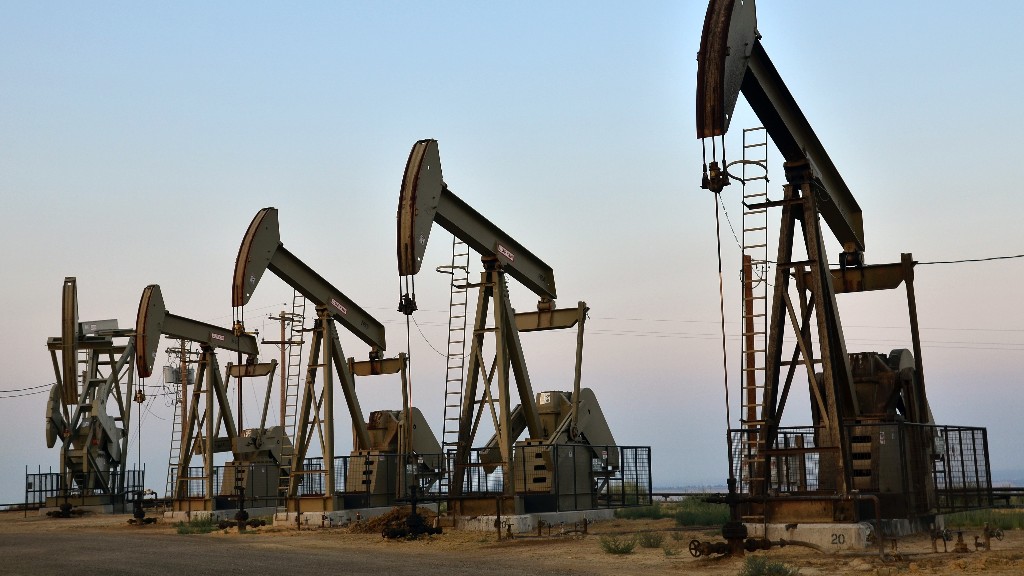
Europe fuel prices in parts of Europe have already climbed close to €2 per litre as renewed US-Iran tensions disrupt shipping through the Strait of Hormuz, a passage that handles nearly 20% of global oil trade. In the Gulf itself, Iran has effectively halted nearly all non-Iranian shipping into and out of the region since late February, turning the world’s most important energy chokepoint into a bargaining table guarded by the Islamic Revolutionary Guard Corps. Some vessels that still crossed were reportedly forced to negotiate transit directly with the IRGC, with charges reaching as much as $2m per ship. The result has spread far beyond tanker routes: Brent crude prices have risen above $80 per barrel, freight rates and insurance premiums have surged, and import-dependent economies already struggling with debt now face another inflationary shock.
Control over a maritime corridor has become leverage over sanctions and energy flows
Inside that pressure campaign sits a proposed memorandum of understanding between Washington and Tehran whose terms reveal how much leverage the Strait of Hormuz now carries. The draft agreement would declare shipping through the strait “unrestricted”, require Iran to remove all mines within 30 days, and lift the ongoing US naval blockade on Iranian ports in proportion to the restoration of commercial traffic. Washington would also waive a number of sanctions on Iran, allowing Tehran once again to sell oil freely. Neither side has publicly confirmed the arrangement, and the text has not yet been finalised, but the broad contours already show how rapidly military control over a maritime corridor has translated into negotiating power over sanctions, shipping, and energy flows.
That leverage emerged because Tehran targeted the one artery global markets cannot easily replace. Since early March, Iran has restricted shipping through the narrow waterway linking the Gulf to the open ocean, despite international maritime law stating that countries controlling natural straits are not permitted to charge tolls for passage. Washington and its allies repeatedly rejected Iranian proposals to formalise transit fees, yet the commercial reality shifted anyway as insurers, shipping firms, and refiners recalculated the risks of entering contested waters. By the time Brent crude futures jumped another 4% after US military strikes in Iran, markets were no longer pricing a temporary disruption. They were pricing the vulnerability of a system built around uninterrupted Gulf exports.
Alternative routes exist largely on paper. Saudi Arabia and the UAE possess the only operational crude pipelines capable of bypassing Hormuz, with between 3.5 and 5.5 million barrels per day of spare capacity. Yet available capacity on alternative export routes remains limited, and the logistics required to reroute substantial flows have not been robustly tested. The Abu Dhabi Crude Oil Pipeline already runs 400 kilometres from Habshan to Fujairah, but even functioning bypass infrastructure cannot absorb the full shock created when roughly a fifth of global oil and liquefied natural gas trade stalls simultaneously. Europe, heavily exposed to imported energy and transport costs, absorbed the impact first. Developing economies with narrow fiscal space are next.
The dispute has shifted from enrichment thresholds to physical control over nuclear material
The negotiations surrounding Iran’s nuclear programme now sit inside that same commercial calculus. The proposed MOU reportedly includes a commitment from Iran not to work towards building a nuclear weapon, while the first issue during the agreement’s 60-day implementation window would involve how to dispose of Iran’s stock of highly enriched uranium. Tehran is believed to possess about 440kg of uranium enriched to 60%, below weapons grade but far above the 3% to 5% enrichment generally associated with civilian nuclear energy. Washington wants the stock transferred abroad, but Iran has rejected that demand, even as reports indicated Tehran previously considered sending the material to a third party.
The contradiction running through the talks became sharper after reports that Iranian Supreme Leader Mojtaba Khamenei issued a directive barring enriched uranium from leaving the country. At the same time, it emerged that Tehran had earlier offered during informal Geneva negotiations to “downblend” its stockpile from 60% enrichment to 3.67% in an irreversible process shortly before the US and Israel launched attacks on Iran. That sequence matters because it shifts the dispute from technical enrichment thresholds to physical control over nuclear material itself. Whoever controls the stock controls the timetable of any future crisis.
Meanwhile, Tehran has continued tightening its operational grip on the strait. Iran’s Persian Gulf Strait Authority recently published a new map marking a controlled maritime zone through which vessels will not be able to transit without authorisation. The zone stretches from Kuh-e Mubarak to south of Fujairah at the eastern entrance and across the western mouth of the channel near Qeshm Island. The map arrived alongside warnings that the United States remained “locked and loaded” for military action if talks fail. In practice, both sides are now negotiating under conditions where each additional disruption in Hormuz immediately reprices energy, shipping, and sovereign risk across multiple continents.
Geography is overpowering balance-sheet scale in global energy markets
That repricing reaches directly into equity markets. Saudi Aramco’s $1.8 trillion market capitalisation now exceeds the combined value of the next five largest oil companies, including Exxon Mobil, Chevron, Shell, and TotalEnergies. North America still dominates global energy rankings by number of firms, with 10 companies worth a combined $1.9 trillion, but physical geography has started overpowering balance-sheet scale. Control over export routes now matters as much as reserve size or market capitalisation. The Gulf states capable of rerouting barrels outside Hormuz gain strategic value precisely because so few alternatives exist.
Yet the countries and companies expected to benefit most from sustained high oil prices also sit closest to the corridor that threatens them. Saudi Arabia and the UAE possess the region’s only meaningful bypass infrastructure, but their export systems still depend on confidence that Gulf shipping lanes remain open and insurable. Every additional week of disruption raises tanker costs, insurance premiums, and operational uncertainty around the very assets that underpin their valuations. A prolonged choke on Hormuz inflates crude benchmarks while simultaneously degrading the reliability premium Gulf producers spent decades building into global energy markets.
The broader damage no longer stops at oil. Ripple effects are spreading through maritime transport and global supply chains, while higher freight, bunker fuel, and fertiliser costs threaten to increase food prices far from the Gulf. Similar shocks during the COVID-19 pandemic and the beginning of the war in Ukraine showed how disruptions in energy and transport propagate across interconnected markets. The difference now is that a single maritime corridor has become both the battlefield and the bargaining chip. Twenty percent of the world’s energy trade passes through Hormuz in peacetime. The negotiations underway suggest the price of keeping it open has already changed the balance of power around it.