The World Meteorological Organization declared an El Niño weather pattern in July 2023 for the first time in seven years. Three months later, the Southern Oscillation Index reached values consistent with El Niño, confirming atmospheric coupling only after sea surface temperatures in the Niño3.4 region had already crossed El Niño thresholds in June and stayed there until March 2024. By then, dry conditions had emerged across most of Australia during late winter and spring 2023. The lag mattered. Australia was already moving into the conditions El Niño is associated with before the atmosphere formally caught up to the ocean.
That sequence sits awkwardly beside the way insurers talk about climate risk. Aon suggested Australia may be entering a quieter period for natural catastrophes as climate patterns transition from La Niña to El Niño. The logic is actuarial. La Niña periods typically lead to higher industry losses, while El Niño brings hotter, drier and more settled conditions associated with reduced losses. Tom Mortlock said bushfire events generally produce lower loss values than floods from an insurance perspective. The distinction is narrow but important. Insurance losses are not economic losses.
Historical climate variability is colliding with a hotter baseline that changes the meaning of risk
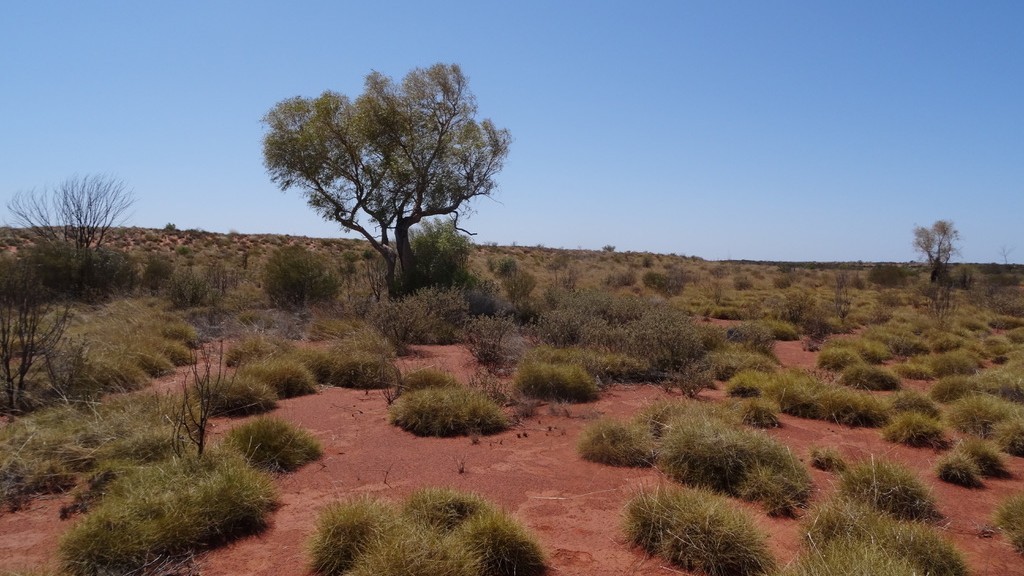
Australia’s climate record does not describe a stable trade between flood damage and manageable fire exposure. Nine of the 10 driest winter-spring periods in eastern Australia have occurred during El Niño years. El Niño has tended to produce warmer-than-average temperatures across southern Australia and has been linked with drought, heatwaves, bushfires and coral bleaching. Higher temperatures exacerbate the effect of lower rainfall by increasing evaporative demand. Dryness compounds itself. Heat extracts more moisture from soil already receiving less rain.
The historical pattern has become harder to separate from the warming trend underneath it. The warmth of recent El Niño events has been amplified by background warming trends, with El Niño years tending to get warmer since the 1950s. Dr Andrew Watkins called climate change and El Niño “a very dangerous double act”. He was explicit about the mechanism: climate change is already pushing Australia toward more drought, more bushfire weather and extreme heat, while climate pollution reinforces some of El Niño’s impacts. What used to be cyclical variability is being loaded onto a hotter baseline.
That does not produce clean forecasts. Watkins said the strength of El Niño did not automatically mean impacts in Australia would follow suit. For Australia, he called it “a mixed bag”. Rainfall results are spatially patchy on monthly timescales. The probability of extreme rainfall anomalies is already low enough that ENSO’s influence may not be obvious in any single month. Even the official climate signal fractured during the 2023 event: atmospheric indicators returned to neutral from mid-December 2023 while tropical Pacific sea surface temperatures persisted at El Niño levels until April 2024. The system no longer moves in neat synchrony.
Insurance models still depend on assumptions the climate record is beginning to invalidate
Yet the uncertainty cuts in one direction. Watkins said every El Niño event had led to periods of hotter and drier conditions. What changes is intensity. Climate change is tending to “pump up” existing variability, so dry periods become exceptionally dry, while rainfall-favourable conditions deliver downpours. The extremes are diverging faster than the averages that insurers traditionally model against.
The insurance industry’s optimism rests on a distinction that Australia’s climate system is eroding in real time. Aon acknowledged heightened bushfire risk could become insurers’ natural catastrophe challenge in the coming months, even while presenting El Niño as a period associated with lower losses. But climate patterns now play an essential role in reducing insurance losses amid increasing weather volatility, which means the underlying volatility is already assumed to be permanent. The business case for a “quieter period” depends on the proposition that bushfires remain economically containable compared with floods even as the conditions feeding those fires intensify.
The evidence inside the climate record points the other way. Rainfall is decreasing in southern Australia during the cooler months. Rainfall in Australia’s southwest and southeast has been below average. Australia’s warmest winters, springs and summers before 2013 overwhelmingly occurred during El Niño years. And El Niño shifts temperature extremes through wide-area heatwaves, single-day extremes and long-duration warm spells. The pressure point is no longer whether El Niño produces disasters. It is whether institutions built around historical loss distributions can still price a climate in which variability itself is being amplified.
That is the uncomfortable fact sitting beneath the industry’s language of “reduced losses”. Bushfire events may still produce lower insured loss values than floods. But Australia’s climate record now describes a system where hotter El Niño years arrive on top of background warming, declining cool-season rainfall and increasingly amplified extremes. The insurance sector is not underwriting a quieter cycle. It is underwriting the assumption that the gap between insured losses and economic losses can hold indefinitely.