The strain appears first in the system that converts oil into state revenue
The line that moved first was not at the front.
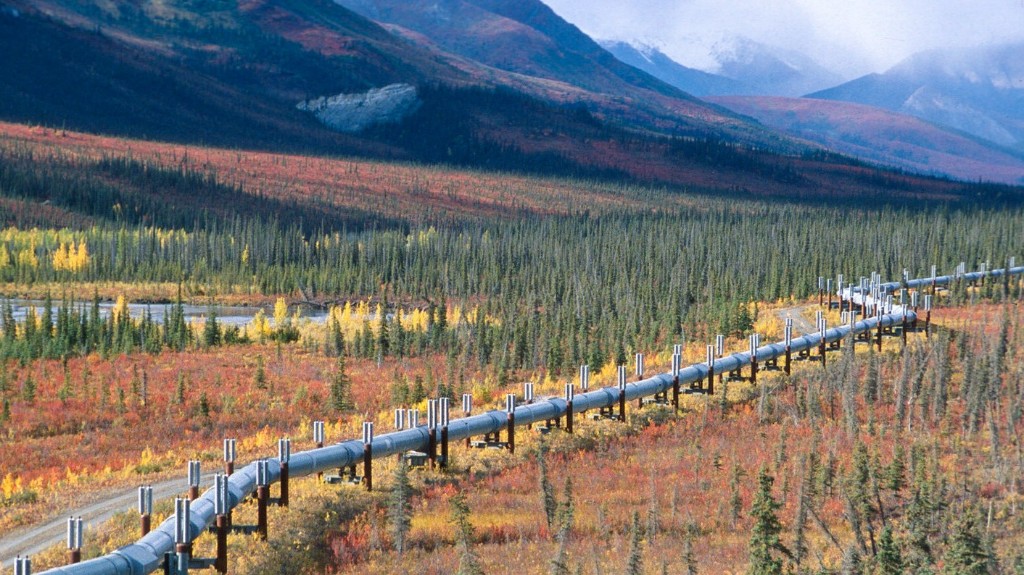
In April, Russia’s oil and gas revenues reached 2.3 trillion rubles, down 38.3% year-on-year. The same month, revenues totaled 855.6 billion rubles, barely 21 billion rubles above the baseline built on a $59 oil price, even though the tax price for Russian oil stood at $77 per barrel. The gap is not in the market. It is inside the system that turns oil into state cash, where fuel subsidies and a stronger ruble limit the budget’s ability to benefit from higher prices.
That shortfall lands as the war absorbs more of the state. By one estimate, Russia’s total military spending in 2025 has been estimated at 15.5 trillion rubles, five times that of 2021. A narrower reading still finds military expenditures increased from 3.16 to 4.62 times in nominal terms from 2021 to 2025. The direction is not in dispute. The state is spending multiples of what it did before the invasion. The revenue base that must carry it is shrinking in real time.
The war’s pressure is visible in supply chains and inside Russia itself
The strain is already visible away from the budget tables. Russian-controlled Crimea tightened its rationing of fuel supplies as attacks by Kyiv have constricted supplies from adjoining territory. This is not an abstract supply chain problem. It is a territory Russia holds, cutting consumption because flows no longer meet demand. The war is not only consuming resources; it is interrupting their movement.
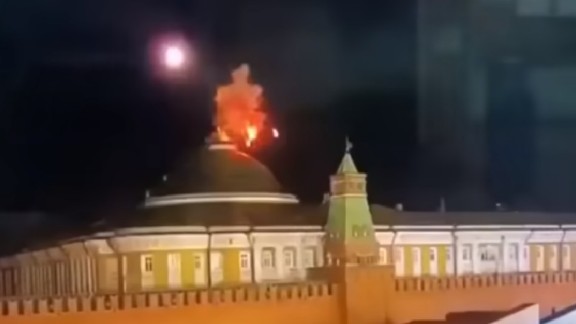
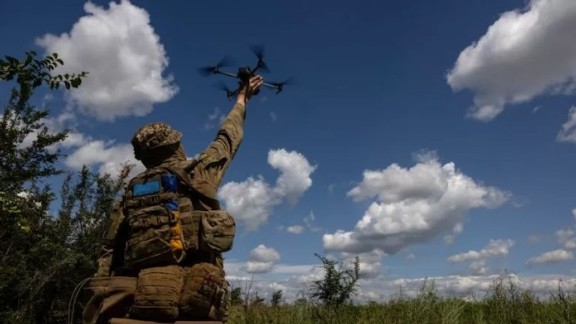
Those interruptions are not confined to the periphery. Ukraine’s military said it struck a Russian gunpowder factory in the Ryazan region, and a fire covering more than 400 sq m broke out. Inside Russia, Putin acknowledged the damage from Ukrainian drone attacks, conceding that some of them break through defences. He added that Russia has an air defence system and it needs to be improved and strengthened. The admission is operational, not rhetorical: the system designed to protect production and logistics is taking hits it cannot fully stop.
Set against that, the Kremlin’s description of the front line has not changed. Putin claimed that “Russian troops are advancing along the entire line of contact”, even as the question put to him was whether the war had become a strategic disaster for Moscow. The claim holds only if the measure is territorial movement. It does not account for the cost of holding what has been taken, or the cost of keeping the supply lines open to do so.
Diplomacy and politics move, but not in ways that resolve the core imbalance
The political channel that might reconcile those costs is moving more slowly than the battlefield. A public letter addressed directly to Vladimir Putin insists that “it is leaders who resolve the key issues” and proposes setting a clear date for a meeting, with Switzerland, Turkey or Arab states suggested as hosts. The reply from Moscow is procedural: Putin had not seen the letter, and Zelenskyy could come to Moscow if he wanted talks. The invitation relocates the meeting rather than advancing it.
Washington is no closer to a settled line. The US House has passed legislation that would aid Ukraine and sanction key segments of the Russian economy, a 226-195 vote that included 18 Republicans and signals impatience with the White House approach. The bill seeks more than $1bn in aid and $8bn in defence loans. It reached the floor because supporters forced action by gathering 218 signatures on a discharge petition, allowing a majority to bypass leadership. But it is unlikely to pass the Senate without Trump’s endorsement, and the Senate has been dithering over its own sanctions bill targeting countries that purchase Russia’s oil, gas and uranium. The legislative system is moving, but not in a straight line.
Trump’s own position sits between the two capitals. He says “we had a lot to do with it” and that both sides would need to agree to compromises that were his idea. Putin echoes part of that framing, saying Trump had asked Russia to make some compromises and that Russia was ready to do so provided Ukraine did the same. The symmetry is verbal. It does not resolve the asymmetry between a state whose revenues are falling and a war whose costs have multiplied.
The gap between those two curves is where the pressure sits. Oil and gas still fund the Russian state, but revenues fell short of expectations despite rising crude prices, and the structure designed to stabilise domestic fuel prices now absorbs the upside that would otherwise flow to the budget. At the same time, military spending has expanded severalfold, while attacks reach into production and logistics, forcing rationing in territories already under control.
None of this requires a change in the line of contact to matter. It requires only that the state continue to pay for both the war it is fighting and the system that finances it. Russia can claim advances, invite talks on its own terms, and promise stronger air defences. What it cannot do, at the same time, is turn a shrinking stream of energy revenue into a stable foundation for a budget that has already been scaled to a different war.