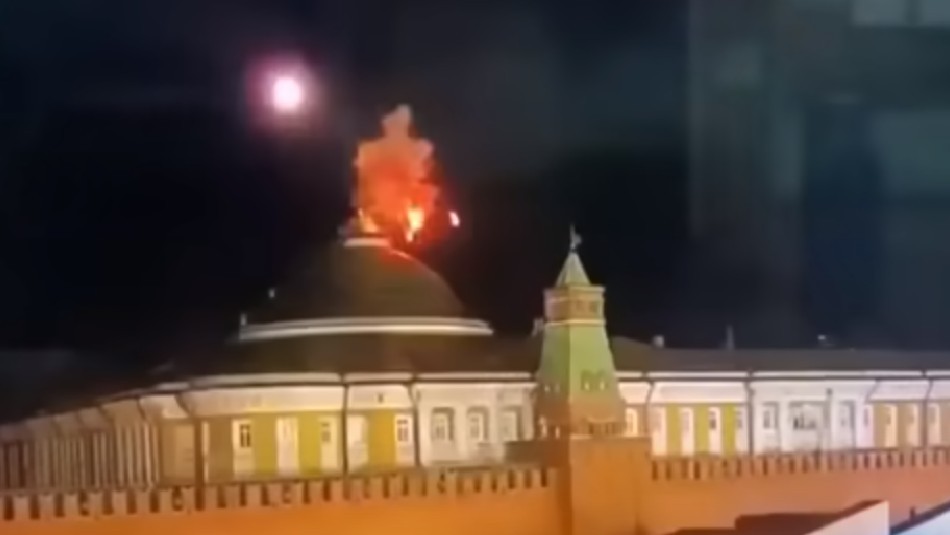
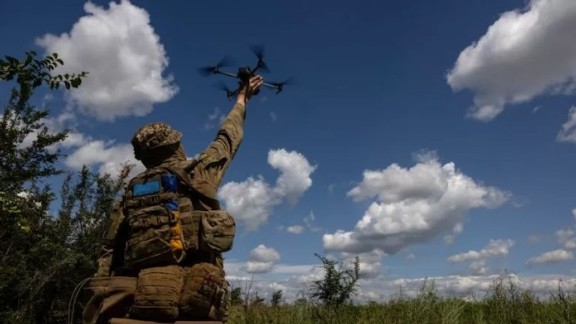
Russian air defences intercepted 25 drones near St Petersburg early on Saturday, hours before delegates filed into the city’s flagship forum, where Moscow is hosting its economic showcase. The interceptions were reported as routine. The timing was not.
Inside the forum, Vladimir Putin dismissed the disruption. He had already shrugged off embarrassing drone strikes on his home city and repeated that his territorial demands on Ukraine were unchanged. The posture was deliberate: a war framed as stable, insulated from the disturbances that now reach Russia’s second city. That stability depends on something harder to hold than territory.
A ceasefire offered containment but exposed the limits of control
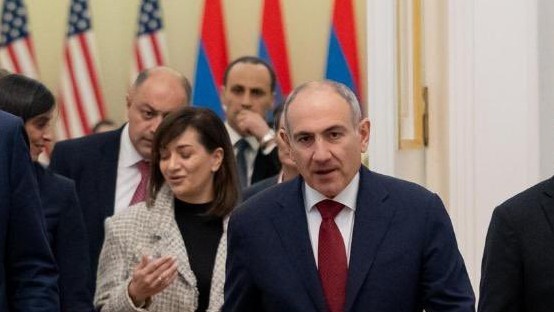
Kyiv had offered an alternative that would have frozen the front line where it stands. In a letter published on Thursday, Volodymyr Zelenskyy proposed a meeting in a third country such as Switzerland or Turkey and said diplomacy should start from the current frontline. Ukraine signalled it was ready for a full ceasefire while negotiations took place. The proposal would have converted a shifting battlefield into a fixed one. Moscow refused.
Putin did not just decline. He said he saw “no point” in meeting Zelenskyy and refused to use his name, calling the offer “rude”. He paired that dismissal with a restatement of objectives: Russia will achieve its war goals, including seizing all of the eastern Donbas region. He said Russian forces controlled all of Luhansk and more than 85% of Donetsk, a claim Kyiv denies, and repeated his demand that Ukraine give up all of Kherson and Zaporizhzhia. A ceasefire at current lines would lock in less than that.
The cost of refusal is already visible in the arteries of trade
The cost of rejecting that line runs through the Black Sea. Greek-managed tankers were hit by unidentified drones while heading to load crude at a terminal on Russia’s coast, according to five industry sources. The incidents have already changed the arithmetic: risk assessments for ships sailing to both Ukrainian and Russian terminals have risen, and war insurance costs for port calls have climbed to 1% of a ship’s value from 0.6–0.8% months earlier. The Black Sea is crucial for the shipment of grain, oil and oil products. The route does not need to close to become uneconomic. It only needs to become unpredictable.
That unpredictability is no longer contained to Ukrainian ports. A sea drone self-destructed near an oil terminal in Romania’s Black Sea port of Constanta after, Ukraine said, Russia jammed the vessel causing it to drift off course. The explosion was the second major incident in a populated area in Romania within a week. Romania sits inside NATO’s eastern flank. The war has begun to leak into the infrastructure that carries European trade.
Fragile ceasefires and expanding risk blur the boundary of war
The same drift is visible around the most sensitive asset in the theatre. The Zaporizhzhia nuclear plant, Europe’s largest with six reactors seized by Russian troops early in the invasion, now operates inside a fragile perimeter. Rosatom said a Ukrainian drone struck engineers who were demining the area at the start of a ceasefire around the plant brokered by the UN’s nuclear watchdog. Each side accuses the other of compromising nuclear safety. A ceasefire that exists on paper has not held in practice.
The pattern repeats on land. Russian attacks killed five people in Ukraine’s southern Kherson region in three incidents on Friday. Kherson is one of four regions annexed by Russia months into the invasion. The annexation asserts control; the strikes demonstrate its limits. Control that requires constant enforcement is not settled.
Zelenskyy drew the conclusion publicly. He said the rejection showed the Kremlin had no wish to end the conflict and that “the Russian side is once again choosing war”. The statement was political. The consequences are financial.
A war that prices itself into markets becomes harder to contain
Russia has funded the choice. Its military spending has expanded sharply; analyses indicate expenditures increased between 3.16 and 4.62 times in nominal terms from 2021 to 2025, while total planned spending reached 15.5 trillion roubles, about 7.2% of GDP. The government has kept an almost balanced budget as the economy grew rapidly, but signs of overheating have emerged and the central bank has tried to cool activity, creating problems for businesses. The balance holds as long as the war remains containable.
Containment is what the ceasefire proposal would have offered. It would have fixed the front, reduced the volatility that now reaches shipping lanes, and lowered the insurance premium that signals risk to markets faster than any communiqué. By rejecting it, Moscow preserved its territorial ambition and accepted a different exposure: a war that increasingly prices itself into the systems that move energy and goods.
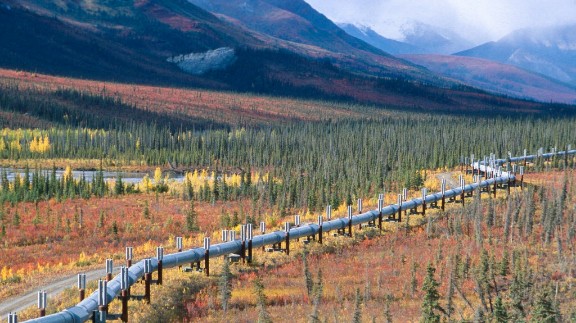
The evidence is already in the premium. A 1% insurance cost on a tanker is not a headline; it is a margin call on every cargo that crosses the Black Sea. It tells shipowners, traders and insurers that the risk is no longer episodic. It is structural.
Russia’s position assumes those costs remain peripheral — a nuisance absorbed by markets while the battlefield decides the map. But the same incidents raising those premiums are spreading outward: to Romanian ports, to nuclear facilities under nominal ceasefire, to the approaches of Russian terminals themselves. The line between war zone and transit corridor is dissolving.
At the St Petersburg forum, that dissolution was treated as theatre — drones intercepted, schedules maintained, demands restated. Yet the war has begun to attach itself to the channels that finance it. When tankers bound for Russian ports are hit en route and insurance rises to 1% of hull value, the cost of refusing a ceasefire is no longer measured only in territory but in the price of moving the oil that pays for it.