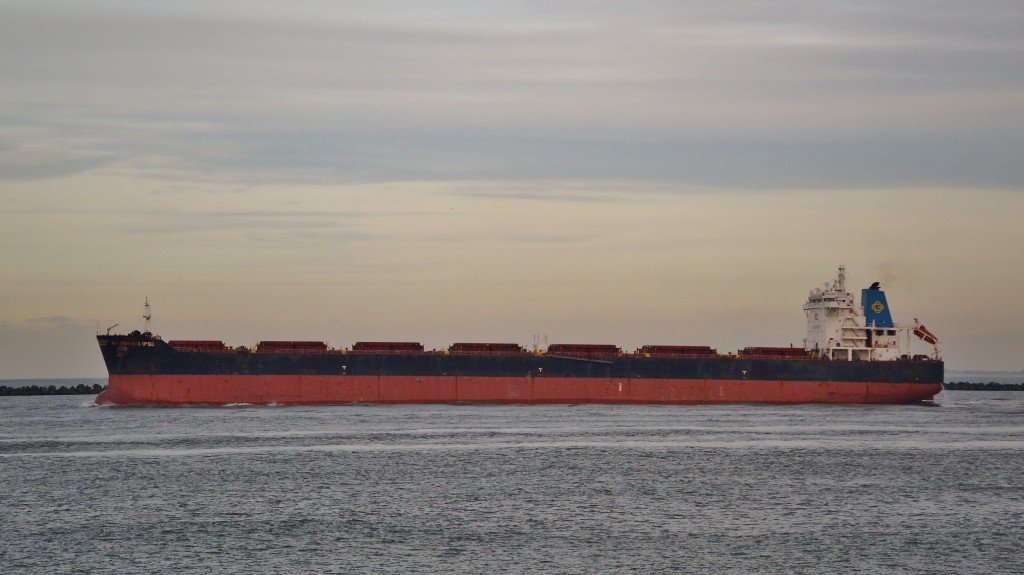
Fewer than six vessels a day now pass through the Strait of Hormuz, down from roughly 70 daily transits before the strikes. The corridor that once moved around a fifth of global oil, fuel and LNG supplies has not reopened so much as thinned to a trickle, even after weeks of ceasefire and negotiation.
The absence of flow becomes the system itself
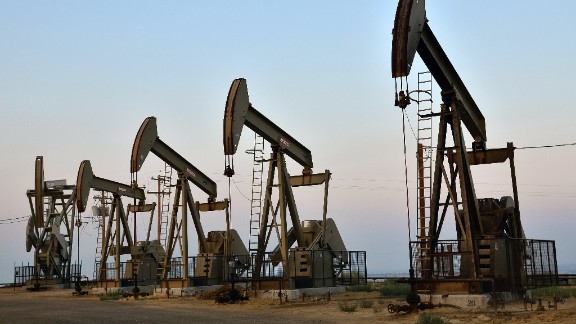
That absence is no longer a disruption. It is a condition. The ongoing military escalation has disrupted shipping flows in ways that have already rewired global energy and transport systems, pushing Brent crude above $90 per barrel and feeding directly into higher food and living costs. The shock arrives as developing economies struggle to service debt, leaving little room to absorb another price cycle. The strait is not closed. It is unreliable, which is worse.
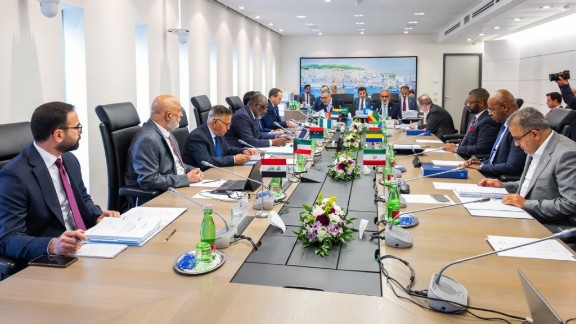
Iran is negotiating as if that new baseline will hold. It insists it has been negotiating with Oman on a future management system for the strait that would be compliant with international law, with implementation after consultation with the International Maritime Organization. It has offered a concession calibrated to markets: within a month, shipping could return to prewar levels. But the same proposal embeds a mechanism that did not exist before the conflict.
Iran has already set up the Persian Gulf Strait Authority, to which ships must seek permission to transit. Alongside it sits a plan to charge a non-discriminatory fee, framed not as rent but as repair. Officials argue the objective is to secure resources for environmental damage and that those responsible should bear remediation costs, pointing to US military operations that inflicted environmental costs. The legal language is careful. The mechanism is not.
Legal language masks an operational contradiction
Because the body that would collect those fees already contradicts the system it claims to respect. The IMO’s secretary-general has told the UN Security Council there is “no legal basis” for any country to introduce payments or tolls on international straits. Iran is proposing compliance while building enforcement that presumes the opposite. The gap is not theoretical. It is operational.
Oman sits inside that gap. It shares stewardship of the strait and has long acted as a back-channel mediator, a role that has allowed it to remain neutral in regional disputes. That neutrality is now under strain. Washington hears something else. Marco Rubio has hinted Oman is in league with Iran, echoing a line sharpened by Donald Trump, who threatened to bomb the sultanate and whose officials say only Iran — and maybe Oman — favour what is happening in the strait.
Muscat is trying to hold a position that depends on everyone believing it is unchanged. Its ambassador in Washington has assured US officials the sultanate opposes tolls and will uphold freedom of navigation. Omani lawmakers repeat that the country consistently upholds that principle and does not impose transit fees. Yet some politicians have shown sympathy for charging for specific services, a narrow opening that mirrors Iran’s framing.
Neutrality depends on a system that may no longer exist
The problem is that neutrality here is not a stance but a system. It works only if passage is indisputably free and authority diffuse. The moment ships must ask permission — even under a “non-discriminatory” regime — the system becomes something else. Oman can oppose tolls and still find itself inside a structure that functions like one.
Washington has not resolved that contradiction either. The US has deployed warships to the strait but is mostly relying instead on air strikes against Iranian positions, even as it has historically used military force to reopen maritime flows. Trump has called for allies to send naval support, but the request met little enthusiasm, and he later said the US did not need their help. Control is asserted rhetorically — no one nation will control the strait — while in practice no one is securing it.
That leaves the market to test the alternatives. There are some. Saudi Arabia and the UAE have pipelines that could bypass Hormuz, with 3.5 to 5.5 million barrels per day of capacity. But available capacity is limited, and the logistics to reroute substantial flows have not been robustly tested. These are contingencies, not replacements. They absorb pressure; they do not remove it.
A corridor where control is asserted but not enforced
Iran understands that leverage cuts both ways. Some of its own commentators warn that earning direct income from the strait could trigger coalitions against it, arguing that prosperity lies in keeping the waterway a zone of peace. That argument assumes the system can revert. The traffic data suggests it has already moved on.
What remains is a corridor where passage has collapsed, authority is contested, and legality is being redefined in real time. Oman is trying to arbitrate without owning the outcome. Iran is building a mechanism it says will restore normality while embedding a new form of control. The US is asserting freedom of navigation without deploying the force that has historically made that claim credible.
The strait is still open on paper. In practice, fewer than six ships a day are testing a system where permission may soon matter more than passage, and Oman — the state that built its influence on the absence of that distinction — is the one holding it together.