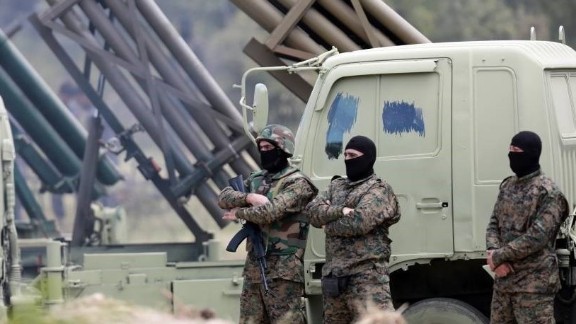
Armoured vehicles and heavy weaponry continue to be common sights in a metropolis of about 10 million people at all hours. At night, armed forces set up numerous checkpoints, escorting motorcades of supporters blasting religious slogans. The city moves, but only under supervision.
A system that continues to function even as its core rituals and visibility collapse
Main squares close so that people can gather, chanting against the US and Israel, while pro-government messaging and Hezbollah flags dominate banners. On passing cars and walls, images of Mojtaba Khamenei appear, elevated after US-Israeli strikes killed his father. He leads a country that sees him only in writing; he has not been seen or heard publicly since taking the helm.
The absence extends to the dead. Authorities have yet to hold funeral processions for Ali Khamenei, who ruled Iran for nearly 37 years. Family members are buried, commanders interred months later, but the central ritual remains deferred. That delay sits alongside a system that keeps moving, even as it withholds its most basic act of closure.
Parliament does not meet in full; concerns about assassination and intelligence leaks remain high, keeping it largely closed. Universities are silent; schools remain shut. Police operate from improvised desks after their stations were bombed. The institutions of the Islamic Republic continue, but they do so in fragments, dispersed into the streets they once administered.
Disruption in the strait shifts from temporary shock to enduring structure
What holds together is the war at sea. Leaders of the IRGC continue to heavily disrupt the flow of energy and goods through the Strait of Hormuz while resisting a US blockade. After roughly 40 days of intense war and thousands of strikes and months of ceasefire punctured by exchanges, an interim deal to reopen the strategic waterway has not materialised. Each day without a settlement converts disruption into structure.
The market has already moved. Conflict in the strait triggered the largest oil market shock in history, as global oil supply crashed by 10.1 million barrels a day. Prices followed: Brent rose about 65 percent to its highest monthly increase before easing on a temporary ceasefire. Since then, price movements have reflected uncertainty about negotiations that have yet to produce anything durable. The absence of an agreement is no longer a gap; it is the condition.
Washington has not forced it open. The US has not deployed any warships to the strait, relying instead on air strikes, including bombing Iranian anti-ship missile sites. Requests for allied naval support met little enthusiasm, before the president insisted the US did not need their help. Control of the waterway now sits between a power unwilling to commit ships and one able to disrupt without them.
A strategy emerges that ties economic collapse to control of a global chokepoint
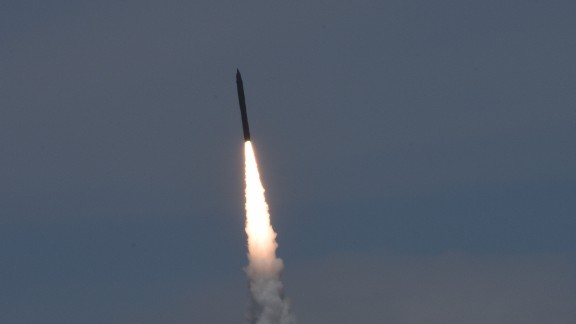
Inside Iran, that asymmetry has been interpreted as proof. A hardline editorial declared “America retreated because of missiles, not negotiations”. It urged escalation—halting talks and closing the Bab al-Mandeb Strait—on the premise that pressure, not diplomacy, moves Washington. The argument is not theoretical; it is drawn from a battlefield where armed forces still fire missiles and drones despite widescale bombing and continue to shoot down US drones even after air defence batteries were destroyed.
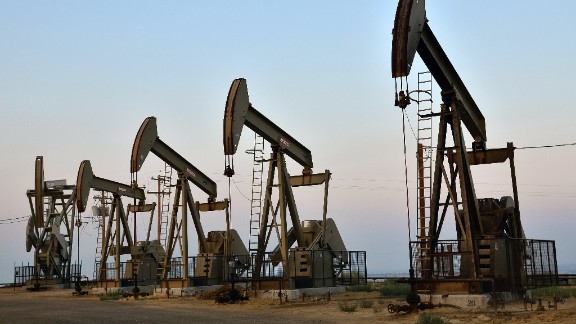
The material cost sits elsewhere. Oil and gas facilities, major steel and aluminium producers, and industrial units have been extensively bombed, worsening years-long economic woes. Israel hit two of Iran’s largest steel factories, strikes expected to inflict billions in damage. In a country that is the world’s 10th largest steel producer and exports the material globally, any halt to production has major implications for supply chains and businesses already strained by sanctions.
Iranian authorities frame the same damage as leverage. They say they intend to entrench control over the strait and monetise passage, keep enriched uranium inside the country, and extract sanctions relief. The strategy binds a collapsing industrial base to a chokepoint that has already removed 10 million barrels a day from global supply. It asks the strait to carry the weight of an economy that has been bombed across sectors.
The contradiction is visible in the sequence of events. A state that cannot hold a funeral for its leader, that runs police stations from pavements and keeps its parliament shuttered, is asserting durable control over the world’s most critical shipping lane. The same system that argues missiles forced an American retreat depends on a disruption that has no negotiated end point and no interim agreement in sight.
That is not a posture. It is a balance sheet. The Islamic Republic is financing its survival by holding open a shock to global energy flows that it cannot afford to resolve and cannot indefinitely sustain.